Gemstone Comparisons
Natural vs Lab Grown Sapphire
Natural vs Lab Grown Sapphire: Natural vs Lab-Grown Sapphire comes down to personality versus steadiness: natural brings unusual optical character, while lab-grown sapphire usually brings stronger everyday predictability.
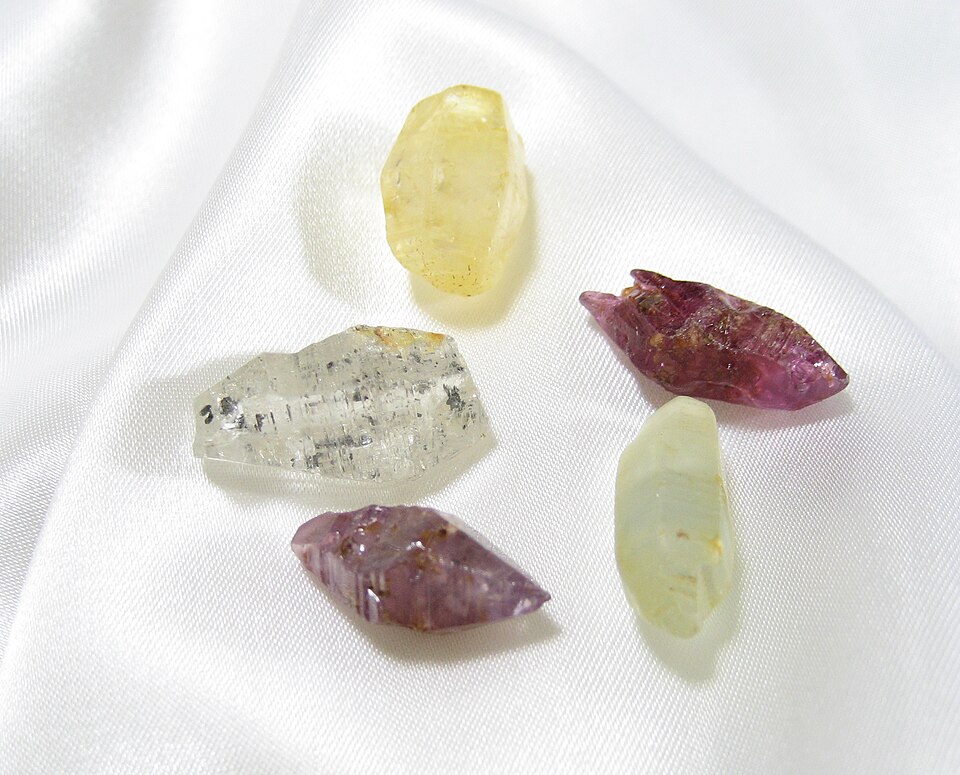
Natural vs Lab Grown Sapphire: If the ring has to survive daily wear with the least drama, lab-grown sapphire usually has the advantage; if the draw is rarity, changing light, and a more individual stone, natural earns the closer look. The useful comparison is not romance against logic. It is color behavior, hardness, treatment history, budget, setting protection, and the kind of beauty someone wants to see every day.
Natural vs Lab Grown Sapphire: The Short Answer
- Natural vs Lab Grown Sapphire is usually a choice between optical personality and long-term steadiness, not simply one stone being better than the other.
- Natural is chrysoberyl when the topic is alexandrite; its prized feature is a color shift between daylight-equivalent and warmer indoor light.
- Lab-Grown Sapphire is corundum when the topic is sapphire; at Mohs 9 it is one of the safest colored-stone choices for engagement rings.
- Fine natural alexandrite is rare, especially in larger sizes with strong color change, while sapphire has a wider supply range across natural, treated, and lab-grown stones.
- Both stones can be beautiful in an engagement ring, but the setting should respect the specific stone: protected edges for valuable alexandrite, secure prongs or bezels for daily sapphire wear.
Color, Wear, Price, And Temperament
- Color-change behavior is a real-world issue because light changes the emotional effect of the ring.
- Choose natural when changing color is the point of the jewel, and ask to see it in daylight-equivalent and warm indoor light before trusting a single photograph.
- Choose lab-grown sapphire when stable color, broad design choice, and low-maintenance wear matter more than rarity.
- Natural, lab-grown, treated, and imitation stones should be named plainly; those words change value even when the ring looks attractive.
- Price is not only size. Color quality, treatment, origin claims, report quality, and cutting can move the value faster than carat weight.
Side-By-Side Engagement Ring Reality
| Gemstone factor | Trade signal | Why it changes the stone |
|---|---|---|
| Color personality | Natural changes with light; Lab-Grown Sapphire usually stays visually steadier | One feels more surprising, the other more predictable. |
| Daily wear | Natural is very wearable with care; Lab-Grown Sapphire has the harder scratch-resistant edge | The lifestyle question matters before the romance of the stone. |
| Budget | Fine natural natural can climb quickly; lab-grown sapphire gives more price and size flexibility | Budget often decides whether the rare natural stone or the steadier classic makes sense. |
| Disclosure | Natural, synthetic, treatment, and report language must be explicit | The same-looking ring can carry a very different material story. |
Choose Alexandrite If / Choose Sapphire If
- Choose Natural if changing light, rarity, and a more individual engagement ring are the whole attraction.
- Choose Lab-Grown Sapphire if the ring needs classic color, strong scratch resistance, easier sourcing, and broad design flexibility.
- Ask how the stone behaves in ordinary daylight and warm indoor light, not only under studio lighting.
- Match the setting to the stone: low profile, protected corners, and secure metalwork matter more than a dramatic render.
- Use a lab report for higher-value natural stones, especially where alexandrite identity, sapphire treatment, or origin language affects price.
Natural vs Lab Grown Sapphire: How The Decision Usually Feels
Natural vs Lab Grown Sapphire is easier when the question becomes personal but still factual. Alexandrite vs Sapphire keeps another sapphire comparison close; Lab Grown Diamond vs White Sapphire helps with adjacent colored-stone ring choices; Morganite vs Pink Sapphire Rings keeps the natural, lab-grown, and disclosure side of the decision in view.
The Questions That Decide The Ring
- Natural vs Lab Grown Sapphire, natural vs lab-grown sapphire, natural versus lab-grown sapphire, natural vs lab-grown sapphire comparison, comparison between natural and lab-grown sapphire, and the same comparison in ordinary trade language
- Color change, color stability, and how the stone looks in ordinary room light
- Mohs hardness, toughness, cleavage, setting height, and protected corners
- Natural, lab-grown, treated, imitation, or assembled identity
- Budget flexibility, size availability, and report quality
- Personal style: distinctive and shifting, or classic and steady
Natural vs Lab Grown Sapphire: Color, Durability, Price
| Factor | Gemstone reality | Trade reading |
|---|---|---|
| Appearance | Natural is known for color change; Lab-Grown Sapphire is valued for stable blue and many fancy colors. | See both stones away from only one lighting condition. |
| Durability | Natural is strong for jewelry; Lab-Grown Sapphire is harder and more forgiving for daily rings. | A practical ring design can make either stone easier to live with. |
| Price | Natural natural with strong color change is rare; lab-grown sapphire has broader supply and budget range. | Compare documented stones, not just similar carat weights. |
| Best fit | Natural suits a wearer who likes a stone with changing moods; Lab-Grown Sapphire suits a wearer who wants steadiness. | The better ring is the one whose compromises still feel attractive in ten years. |
Color Is The First Difference People Notice
Natural vs Lab Grown Sapphire: Natural changes because its crystal chemistry reacts differently under daylight-equivalent and warm indoor light. Lab-Grown Sapphire usually holds a steadier face-up color, which is why sapphire feels calmer and more traditional. A good comparison between natural and lab-grown sapphire should show both stones in ordinary light, not only in the most flattering photo.
Durability Is Where Sapphire Gets Its Reputation
Natural vs Lab Grown Sapphire: Lab-Grown Sapphire has the daily-wear advantage because corundum is hard, stable, and familiar to jewelers. Natural is still a serious jewelry stone, but rare natural alexandrite often deserves a protected setting and a wearer who is willing to remove the ring for rough work. Alexandrite vs Sapphire belongs nearby when hardness and ring use become the main question.
Price And Rarity Pull The Decision Apart
Natural vs Lab Grown Sapphire: strong natural natural is scarce, especially above small sizes, so price can rise sharply when the color change is vivid and well documented. Lab-Grown Sapphire gives more ways to balance size, color, treatment, and budget. Lab Grown Diamond vs White Sapphire and Morganite vs Pink Sapphire Rings keep the surrounding gemstone choices close without turning the decision into a loose list.
Reports, Treatments, And Lab-Grown Options
Natural vs Lab Grown Sapphire: lab-grown alexandrite and lab-grown sapphire can be legitimate materials, but they are not priced like comparable natural stones. Heat-treated sapphire may still be perfectly acceptable when disclosed. Natural alexandrite deserves careful identity language because synthetic and imitation material is common enough to make paperwork important. In trade language, natural vs lab grown sapphire, natural vs lab-grown sapphire, natural versus lab-grown sapphire, natural vs lab-grown sapphire comparison, comparison between natural and lab-grown sapphire, compare natural and lab-grown sapphire, natural or lab-grown sapphire for engagement rings all point back to the same material comparison: identity, color change, durability, treatment, and documents.
Source Context: Natural vs Lab-Grown Sapphire
Outside gemstone sources are most useful when the stone's identity, treatment language, service terms, and document availability already make sense together.
Strong context: Strongest when the gem's identity, treatment disclosure, durability, and paperwork have enough clarity for a source comparison.
Weak context: Weak when identity wording, lab paperwork, treatment disclosure, or service terms are still vague.
Review source optionsAffiliate link. We may earn a commission when an approved link is active, at no extra cost to you.
Related Gemstone Questions
Natural vs Lab Grown Sapphire: Practical Questions
Is alexandrite better than sapphire for an engagement ring?
Alexandrite is better when color change and rarity matter most. Sapphire is usually better when daily durability, classic color, and easier budgeting matter most.
Is sapphire more durable than alexandrite?
Yes. Sapphire is corundum at Mohs 9, while alexandrite is chrysoberyl at about Mohs 8.5. Both can work in rings, but sapphire is more forgiving.
Why is natural alexandrite often more expensive?
Fine natural alexandrite is rare, and price rises quickly when the color change is strong, the size is useful for jewelry, and the identity is documented.
Can lab-grown alexandrite be real alexandrite?
Lab-grown alexandrite can have the same mineral identity and color-change behavior, but its origin and value are different from natural alexandrite and should be disclosed clearly.
Sources For Natural vs Lab Grown Sapphire
Natural vs Lab Grown Sapphire: Natural vs Lab-Grown Sapphire is grounded in published gemological references, trade treatment language, durability guidance, ordinary-light observation, and document practice.