Care & Durability
Gemstone Hardness for Rings
Gemstone Hardness for Rings: Gemstone Hardness for Rings becomes useful when the stone is treated as a material first: color, crystal identity, treatment, wear, and documents decide more than a pretty adjective.
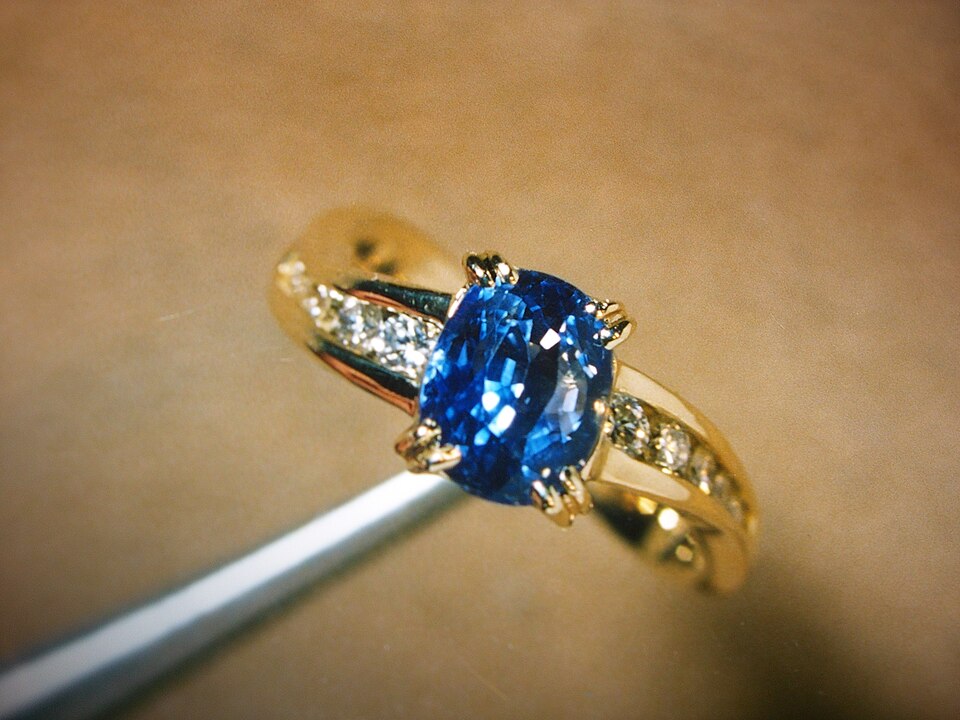
Gemstone Hardness for Rings: Gemstone Hardness for Rings is not a slogan or a loose style label. It is a gemstone decision built from care, durability, cleaning limits, setting exposure, and treatment stability. The better answer comes from the stone's material behavior, the setting it will live in, and the evidence attached to it.
Gemstone Hardness for Rings: What Matters First
- Gemstone Hardness for Rings starts with the exact material, because species, variety, treatment, and cutting decide how the jewel behaves.
- Color should be read in ordinary light, where tone, saturation, extinction, windowing, and inclusions become easier to judge.
- Durability is more than hardness; toughness, cleavage, filler stability, heat sensitivity, and setting protection can matter more in daily jewelry.
- Documentation should match the same stone through measurements, weight, treatment language, date, and issuing laboratory.
- The most attractive choice is the one whose compromises still make sense after the first photograph stops doing the work.
How The Trade Reads It
- gemstone hardness for rings, natural gemstone hardness for rings, gemstone hardness for rings gemstones, gemstone hardness for rings jewelry, gemstone hardness for rings durability are useful only when they point back to observable gemstone facts.
- A beautiful stone can still be a poor match for a ring if the setting exposes weak corners, surface-reaching fissures, or delicate treatment.
- Treatment disclosure is not a footnote; it can change care, price, repair limits, and resale expectations.
- Broad claims need narrow evidence: material name, measurements, ordinary-light appearance, and document language.
- A page earns trust when it helps someone reject the wrong stone as clearly as it helps them admire the right one.
The Trade Signals To Compare
| Gemstone factor | Trade signal | Why it changes the stone |
|---|---|---|
| Identity | Species, variety, natural or lab-grown origin, and treatment status are named | The pretty description has a material backbone. |
| Appearance | Color, tone, saturation, windowing, extinction, and inclusions are judged together | Beauty becomes easier to compare when the light is honest. |
| Wear | Hardness, toughness, cleavage, setting exposure, and cleaning limits point the same way | Jewelry has to survive hands, heat, repair, and habit. |
| Documents | Measurements, weight, treatment observation, report date, and issuing lab match the stone | Good paperwork is specific enough to be boring. |
A Better Finished Decision
- Start with Gemstone Hardness for Rings, then test the claim against material identity, treatment, and use.
- Look for ordinary-light color language rather than a single dramatic image.
- Separate beauty from durability, and durability from value.
- Use close pages such as [Care for Treated Gemstones](/care-for-treated-gemstones/), [Gemstone Jewelry Insurance Checklist](/gemstone-jewelry-insurance-checklist/), and [Gemstones Safe for Daily Wear](/gemstones-safe-for-daily-wear/) when the next question is genuinely adjacent.
- For higher-value stones, ask for document language that is precise enough to follow the same stone.
Gemstone Hardness for Rings: Where The Next Question Usually Goes
Gemstone Hardness for Rings often leads to a neighboring material question rather than a completely new topic. Care for Treated Gemstones, Gemstone Jewelry Insurance Checklist, and Gemstones Safe for Daily Wear keep the next step close to the same gemstone shelf.
The Details That Separate Good From Vague
- Gemstone Hardness for Rings, natural gemstone hardness for rings, gemstone hardness for rings gemstones, gemstone hardness for rings jewelry, gemstone hardness for rings durability, and the same question in ordinary trade language
- Species, variety, natural or lab-grown origin, and treatment status
- Ordinary-light color, tone, saturation, extinction, windowing, and inclusions
- Hardness, toughness, cleavage, setting protection, and cleaning limits
- Report language, measurements, return terms, and repair expectations
- The wearer's actual use: ring, pendant, travel jewelry, occasional wear, or collection
Gemstone Hardness for Rings: Material Reality Check
| Factor | Gemstone reality | Trade reading |
|---|---|---|
| Material identity | Gemstone Hardness for Rings depends on what the stone is, not only what it is called. | Ask whether the species, variety, treatment, and origin language are explicit. |
| Visual evidence | Color and brilliance can change with lighting, depth, inclusions, and cutting. | Prefer ordinary-light description over one perfect image. |
| Wear and care | The right stone for a ring may be different from the right stone for a pendant or collector box. | Match the setting and cleaning routine to the material. |
| Value language | Treatment, rarity, size, and documents can move value more than the name alone. | Compare documented stones, not adjectives. |
The Useful Answer Is Usually Specific
Gemstone Hardness for Rings: Gemstone Hardness for Rings becomes clearer when the subject is kept close to the stone. In trade language, gemstone hardness for rings, natural gemstone hardness for rings, gemstone hardness for rings gemstones, gemstone hardness for rings jewelry, gemstone hardness for rings durability, gemstone hardness for rings treatment disclosure, gemstone hardness for rings value and care should all lead back to material identity, optical behavior, treatment, durability, or documentation. Care for Treated Gemstones keeps that next step inside the same natural-gemstone neighborhood.
Beauty Needs Material Context
Gemstone Hardness for Rings: a good gemstone description carries color through real light, cut, inclusions, and the setting that will hold the stone. A clean phrase can open the door, but the stone itself does the serious work. Gemstone Jewelry Insurance Checklist adds a nearby comparison without pulling the page away from the main subject.
Care, Value, And Disclosure Stay Together
Gemstone Hardness for Rings: treatment and durability are not separate afterthoughts. They affect cleaning, repair, insurance, return comfort, and the price someone should be willing to accept. Gemstones Safe for Daily Wear keeps the documentation side close when the decision needs another check.
Source Context: Gemstone Hardness for Rings
Outside gemstone sources are most useful when the stone's identity, treatment language, service terms, and document availability already make sense together.
Strong context: Strongest when the gem's identity, treatment disclosure, durability, and paperwork have enough clarity for a source comparison.
Weak context: Weak when identity wording, lab paperwork, treatment disclosure, or service terms are still vague.
Review source optionsAffiliate link. We may earn a commission when an approved link is active, at no extra cost to you.
Related Gemstone Questions
Gemstone Hardness for Rings: Practical Questions
What should gemstone hardness for rings tell me first?
Gemstone Hardness for Rings should first clarify the stone's identity, treatment status, durability, and visible character, because those details decide whether the description is useful.
How do I avoid vague gemstone claims?
Ask for material names, measurements, treatment language, ordinary-light photos or video, and documents when value justifies them.
When does documentation matter most?
Documentation matters most for high-value natural stones, treatment-sensitive gems, origin claims, and any decision where return terms are narrow.
Sources For Gemstone Hardness for Rings
Gemstone Hardness for Rings: Gemstone Hardness for Rings is grounded in published gemological references, trade treatment language, durability guidance, ordinary-light observation, and document practice.